










How long will the quotation take?
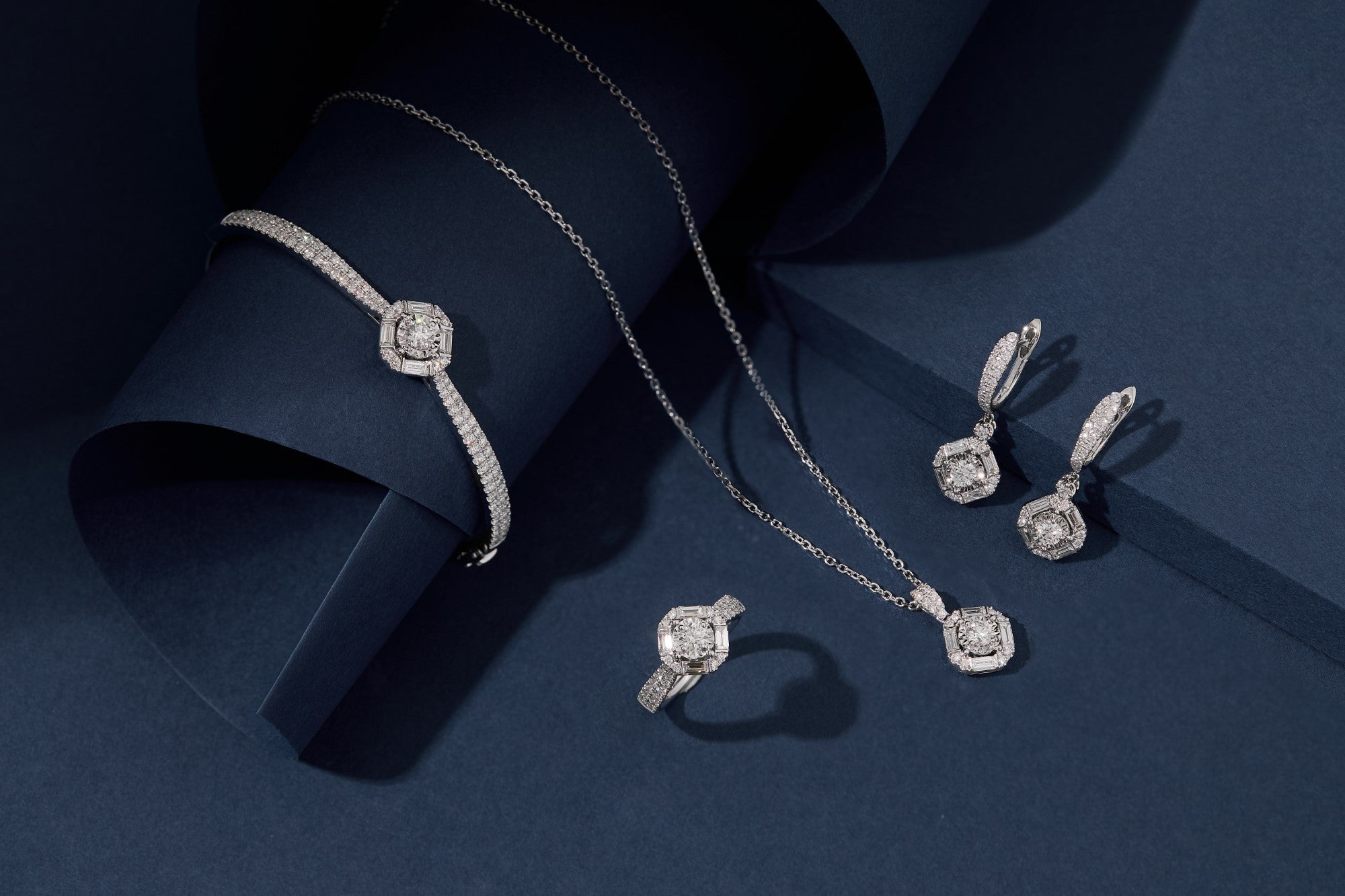






Turning a simple idea into a beautiful piece of jewelry is a detailed and fascinating process. Many people see the final piece but never realize how much work happens behind the scenes. In a jewelry factory, every step is done with care. This includes the first sketch and the final polish. Technology and skilled craftsmanship are used throughout the process.
In this guide, let’s walk through how a jewelry factory transforms your concept into a finished product. We will explore the design process, CAD work, wax modeling, casting, stone setting, quality control, and final delivery. If you are a brand or a wholesale buyer, knowing these steps helps you pick the right partner. This way, you can get great results.
Everything begins with your vision. You may bring a simple sketch, a photo, or even just a description. The design team reviews your idea, asks questions, and helps shape the concept based on your goals.
At this early stage, the factory will confirm:
Clear communication helps the designers prepare a plan that matches your expectations.
Tonglin Jewelry works closely with clients during this step. They ensure the design matches the brand's identity and market needs.
Once the idea is confirmed, the next step is to create a digital model. This is done using computer-aided design (CAD) software. This software helps designers build accurate 3D models that show the jewelry piece from all angles.
CAD allows the factory to:
These 3D models help ensure the piece will look and function correctly. CAD is especially helpful for complex designs because the client can review the model before production starts. If changes are needed, designers can quickly update the file.
After the CAD file is approved, the factory creates a wax model using a 3D printer or a wax-carving machine. This wax model is essential because it becomes the base for metal casting.
The wax model helps the artisans:
This step ensures the design works in real form before moving to the precious metal stage.
Once the wax model is ready, the next step is casting. This is where the real transformation begins. The wax model is attached to a “wax tree,” and then covered with a special plaster material. After it hardens, the mold is heated so the wax melts out, leaving a hollow space.
Next, molten metal, such as gold, silver, or platinum, is poured into the mold. As the metal cools, it takes the exact shape of the original wax model.
Casting is one of the most important steps in the manufacturing process. Skilled technicians ensure the temperature is right, the metal flows smoothly, and the mold stays stable. This guarantees the final piece has a clean and solid structure.
Once the metal cools, the mold is broken open, and the rough jewelry piece is taken out. At this stage, the piece does not look perfect yet. It needs cleaning, filing, and polishing.
Artisans:
This step brings the jewelry closer to its final beauty. The polishing stage is especially important because it creates the shine and smooth finish that customers expect.
If your design includes gemstones, the next step is stone setting. This work requires steady hands and many years of experience.
Common setting types include:
A skilled stone setter ensures each gem sits securely and aligns perfectly. Good stone setting can greatly improve the look, durability, and value of a piece of jewelry.
Tonglin Jewelry’s artisans focus on strong and safe stone settings. This makes their pieces great for everyday use and special collections.
After stone setting, the jewelry goes through final polishing to enhance its shine. Artisans refine small details, check prong tightness, and smooth any sharp areas.
This step also includes:
If the design uses white gold, the piece may be plated with rhodium. If it is vermeil or gold-plated silver, the thick gold layer is added at this stage.
Quality control is the final step, but one of the most important. Before the piece leaves the factory, it goes through a full inspection.
The QC team checks:
This ensures the jewelry meets high standards and has no defects. Consistent quality control helps build trust with wholesalers and brand owners.
Tonglin Jewelry takes QC seriously, using visual inspections, precision measuring tools, and multiple testing points during production to ensure every piece meets professional expectations.
Once the jewelry passes QC, it is cleaned again, packaged, and prepared for shipping. For wholesale orders, the factory can arrange bulk packaging, labeling, or custom branding.
When you receive the final piece, it represents the work of many steps, careful planning, and skilled craftsmanship.

The journey from a simple idea to a finished piece of jewelry involves creativity and technology. It also requires the hands of skilled artisans. Understanding each step helps you communicate better with manufacturers and gives you confidence in the production process.
Working with a professional factory—like Tonglin Jewelry—ensures your designs are handled with expertise and precision from start to finish. Choosing the right partner is important. It can help you create great products. This is true whether you are a small brand or a large wholesaler. Your customers will appreciate the results.

Minimum order quantity (MOQ) is one of the most important factors in the jewelry business. Many brands do not notice its impact at first. But MOQ affects cost, product quality, supply chain planning, and your profit margins. When you choose a jewelry wholesale supplier, understanding MOQ helps you make smarter decisions and avoid unnecessary risks.
In simple terms, MOQ means the lowest number of jewelry products a supplier requires you to buy in one order. Some factories set a high MOQ because they want to reduce production costs. Others offer a flexible MOQ to support small jewelry brands and new businesses. Knowing the difference can help you choose the right partner for your long-term growth.

MOQ plays a big role in cost savings. When you place a larger order, the production cost per piece drops. This happens because the factory can buy raw materials in bulk and work more efficiently.
A high MOQ usually means a lower price per piece. But it also means you must spend more money upfront.
For new jewelry brands, this can be difficult. You may not want to buy a large quantity of one style. This is why a supplier with a flexible MOQ is a better choice.
It helps you control your budget while still accessing wholesale jewelry at good prices. Finding the right balance is key for your cash flow.
MOQ also affects quality control. A professional jewelry manufacturer follows a strict quality control process. This includes checking raw materials, doing visual inspections, and testing each piece of jewelry before shipping. When the MOQ is too low, some factories may not perform each step carefully because it increases costs.
A reliable supplier with a clear MOQ policy usually maintains better quality. They can plan each production stage, control potential issues, and keep the final product consistent. To offer great jewelry to your customers, pick a supplier with strong quality control. Also, make sure their minimum order quantity (MOQ) is reasonable.
A stable supply chain is important for every jewelry business. MOQ affects how you manage stock, plan new collections, and meet customer demand. When MOQ is too high, you may end up with slow-moving inventory. This can limit cash flow and reduce profit margins.
A flexible MOQ helps you test new jewelry designs with lower risk. You can try new styles, see customer feedback, and reorder quickly if needed. It also helps you avoid unnecessary storage costs. For growing jewelry brands, this flexibility supports faster business decisions and better long-term planning.
Custom jewelry requires more time and special craftsmanship. Some suppliers set a high MOQ for custom designs because they need to prepare molds, tools, and materials. But not every business can place large orders at the beginning.
A supplier who offers low MOQ for custom jewelry gives you more room to experiment. You can launch new styles, test market demand, and adjust designs without large financial pressure. This approach supports creativity and innovation in your jewelry business.
Good customer service also plays a part in MOQ discussions. A reliable jewelry wholesale supplier will explain the reasons behind their MOQ. They will offer suggestions, such as mixing styles in one bulk order or adjusting production to reduce costs.
Clear communication helps you understand production costs and delivery timelines. It also ensures that you get the most value from each order. A good supplier acts like a long-term partner, not just a vendor. This relationship helps your jewelry brand grow steadily.
Profit margins depend on cost, demand, and pricing strategy. When MOQ is not suitable for your business size, your margins drop. For example, if you buy a large quantity of one design but it sells slowly, your cash flow gets stuck. This impacts your ability to invest in new jewelry products or marketing.
Choosing a supplier with reasonable MOQ helps you manage stock levels better. You can order what you need, when you need it. This simple change can greatly improve your profit margins and reduce risks.
The jewelry market changes fast. New trends appear every season. A flexible MOQ allows you to adapt quickly. It lets you test different materials, try new designs, and update your product line without big investments.
It also helps you build a sustainable jewelry business. You can grow step by step, while still maintaining quality and meeting customer expectations. For small brands, this flexibility is often more valuable than a low per-piece cost.

Tonglin Jewelry offers one of the most flexible MOQ policies in the industry — MOQ 1. This means you can order just one piece of jewelry to start. For many small and growing jewelry brands, this removes a lot of pressure. You do not need to buy a large quantity or take big risks. You can test a new design, check the quality, or launch a small collection without spending too much money.
With MOQ 1, you get more freedom. You can explore new materials, try fresh styles, and adjust your product line anytime. It also helps you manage your cash flow because you only order what you need. Tonglin Jewelry is a factory-direct supplier, so even with a low MOQ, you still receive high-quality jewelry, stable production, and fast delivery.
This simple and flexible MOQ policy makes Tonglin Jewelry a strong partner for small jewelry businesses, start-ups, and brands that want to grow steadily without extra inventory pressure.

Quality control is one of the most important parts of the jewelry manufacturing process. Every piece of jewelry must meet high standards before it reaches buyers or stores. In the competitive jewelry industry, even a small mistake can hurt a brand’s reputation. This is why professional jewelry manufacturers use detailed steps to ensure consistency from raw materials to the final product.
In this article, we look at how manufacturers maintain consistent quality control, what happens at each production stage, and why attention to detail matters for customer satisfaction. These steps help jewelry brands deliver high-quality pieces every time.
Jewelry is a product that people wear daily. It touches the skin and must look beautiful, feel comfortable, and stay durable over time. If the quality is poor, customers notice immediately. A weak clasp, a dull stone, or rough polishing can lead to returns or bad reviews.
Strong quality control in jewelry ensures:
Every piece meets the highest standards
Production stays consistent
Brands avoid potential issues
Buyers trust the product
Customer satisfaction remains high
This is why leading jewelry manufacturers use strict systems that check every detail.
Quality control begins long before the manufacturing process starts. It begins with raw materials such as:
925 sterling silver
Gold
Platinum
Gemstones
Cubic zirconia
Chains and findings
Manufacturers check materials for purity, color, durability, and weight. Precision measuring tools help ensure metals meet required standards. If raw materials fail the first check, they are rejected immediately. This helps avoid problems later in the jewelry production stage.
Before production begins, designers use computer-aided design (CAD) software. A clear CAD model helps identify possible weak points. It also ensures the piece of jewelry has accurate thickness, stone size, and structure.
Quality control teams review the CAD file to confirm:
Stone settings are secure
Prongs have the right strength
Surfaces are smooth
The design can be produced in mass production
Catching design issues early prevents defects later.
During manufacturing, most jewelry pieces go through wax modeling or 3D printing. Each wax model must be inspected by hand. Visual inspections help confirm:
Correct size
Clean edges
No cracks
Accurate curves
If a wax model is imperfect, the final cast piece will also have flaws. This step ensures consistency before molten metal is poured.
After casting, the metal piece is checked again. Common checks include:
Smooth surfaces
No air bubbles
Proper shape
Correct weight
This early-stage inspection reduces waste and improves efficiency.
Polishing is one of the most important stages in the jewelry manufacturing process. A high-quality polish gives jewelry its luxury appearance. During this stage, manufacturers use several steps of polishing—from rough to fine.
Quality control teams check:
Smooth edges
No scratches
Balanced shine
Comfortable wear
Attention to detail here ensures the piece feels good on the skin and looks flawless.
Stone setting requires skilled craftsmanship. Even a small problem can cause a stone to loosen or fall out.
QC teams check for:
Secure prongs
Even stone height
Clean stone surfaces
No gaps in the setting
Symmetrical alignment
Visual inspections are done with magnifying tools to catch tiny defects. This step is critical for fine jewelry and high-end brands.
Many jewelry pieces receive plating such as:
Rhodium plating
Gold plating
Anti-tarnish coating
Manufacturers use precision measuring tools to ensure each layer has the correct thickness. Proper plating helps jewelry stay bright, resist tarnish, and maintain its color.
The QC team checks:
Even coverage
Smooth shine
No discoloration
Strong bonding
These steps ensure durability and long-lasting beauty.
Before any piece of jewelry is packaged, it goes through a final quality control process. This step includes:
Full visual inspection
Mechanical testing (clasps, chains, hinges)
Weight and size measurement
Checking for sharp edges
Confirming correct plating color
The goal is to catch any remaining potential issues. A piece only moves to packaging if it meets all quality standards.
Quality control does not stop after one batch. Professional manufacturers practice continuous improvement. This means they:
Monitor production data
Review customer feedback
Train workers regularly
Update tools and machines
Improve inspection techniques
This process helps manufacturers maintain consistency, reduce errors, and increase efficiency in the long term.
Jewelry brands rely on trust. When customers receive a flawless piece, they remember the experience and return for more. Consistent quality helps you:
Build a strong customer base
Increase brand value
Reduce returns
Improve long-term sales
This is why most successful jewelry brands partner with manufacturers that follow strict quality control systems.

Growing a jewelry business today requires more than beautiful products. You need reliable supply, stable quality, competitive pricing, and a partner who can support your long-term goals. That is why many brands, wholesalers, and small jewelry businesses are choosing to work directly with factory-direct manufacturers.
A strong factory partner can help you scale faster, reduce costs, and upgrade your product line without losing control of quality. In this guide, we explain how a factory-direct model works and why it is one of the best ways to grow in the modern jewelry market. We will also share how Tonglin Jewelry, a trusted silver and gold jewelry manufacturer, supports B2B buyers with consistent high-quality production.
Working with a factory-direct supplier means you remove middlemen. Instead of going through agents or trading companies, you work directly with the team that produces your jewelry pieces. This gives you more control over:
In the jewelry industry, where small changes in design, materials, or finishing can affect the final look, this level of control is extremely important.
Factory-direct also means you get more transparent pricing, which helps you improve your profit margins and reinvest in your business.
Quality makes or breaks a jewelry business. Customers expect jewelry pieces to look polished, feel good on the skin, and last. When you work with a factory-direct partner, you gain access to a clear and consistent quality control process.
Factories like Tonglin Jewelry follow strict inspections at every stage:
This level of control is hard to achieve when buying from random wholesalers or marketplaces. Consistent quality helps your brand build trust and keep customers coming back.
If you want to scale your jewelry business, you need a partner who can handle growing order volumes without sacrificing quality.
Factory-direct manufacturers have:
This structure lets you increase your order size when demand grows.
Tonglin Jewelry supports both small batches and bulk production with flexible MOQs. Many brands start small, test the market, then scale quickly once sales increase.
Scaling a business means increasing profits, not increasing costs. A factory-direct partnership lets you cut expenses in several ways:
With fewer layers in the supply chain, you keep more of your profit. You also gain the ability to price your jewelry more competitively in the market.
If you want your brand to stand out in a crowded jewelry market, you need unique designs. Working directly with a factory gives you access to:
Factories like Tonglin Jewelry specialize in custom silver jewelry and bring your ideas to life with 3D models and sample production.
This makes it easier to launch new jewelry collections, refresh your product lines, and offer exclusive pieces that your competitors cannot copy.
Jewelry buyers today care about:
With a factory-direct partner, you know exactly what goes into your products. Tonglin Jewelry uses:
Clear material control builds your brand’s credibility and ensures you deliver high-quality products to customers.
Scaling a jewelry business requires stable supply and long-term planning. A factory-direct partner helps you:
Tonglin Jewelry works with buyers long-term, offering stable production capability and consistent quality year after year. This reliability makes it easier to grow sustainably.
Tonglin Jewelry offers strong advantages for jewelry brands, wholesalers, and startup businesses:
We control every step, from raw materials to final polishing.
Start small and scale when ready.
Strict QC, certified 925 silver, and skilled craftsmanship.
CAD models, design revisions, and custom development.
A rare offer in the jewelry manufacturing industry.
Professional B2B service for global buyers.
This combination makes Tonglin Jewelry an ideal partner for scaling your jewelry business.
Scaling a jewelry business is easier when you have the right factory-direct partner. You gain stable production, consistent quality, lower costs, and more flexibility for growth. Whether you sell sterling silver jewelry, fashion pieces, or custom designs, a reliable manufacturer helps your brand move forward with confidence.
If you are looking for a professional, trustworthy factory that supports long-term growth, Tonglin Jewelry is ready to help you scale your business from first samples to large wholesale orders.